Pelican Point Gas Power Station Bypass Stack
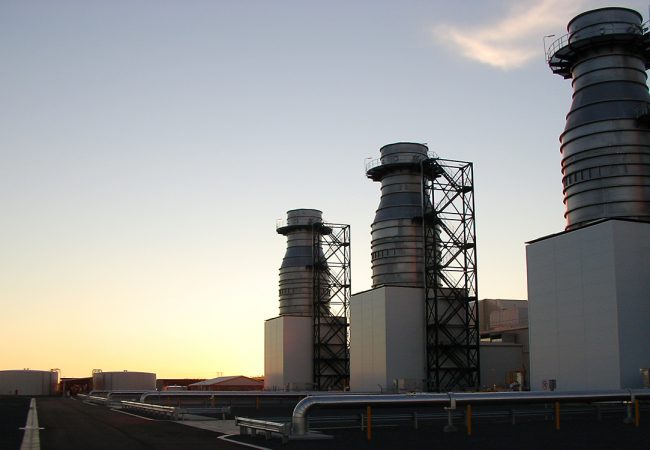
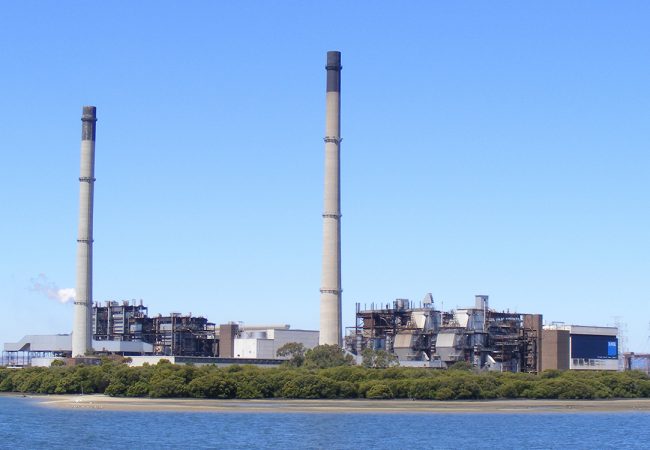
ENGIE engaged GPA to act as Owner’s Engineer for the Bypass Exhaust System Project at the Pelican Point Power Station. It burns natural gas in a combined cycle power station, comprising two 160 MW gas turbines and one 165 MW steam turbine, to generate up to 485 MW of electricity. The station has provision of nearly 50% of South Australia’s thermal generation needs.
The project is part of ENGIE’s strategy to provide greater operational flexibility in response to ever-changing power market conditions.
The upgrade enables one of the combined‑cycle gas turbines to operate in either Open Cycle Gas Turbine (OCGT) or Combined Cycle Gas Turbine (CCGT) mode. This enhancement allows faster start‑up and ramping capability, improving the station’s ability to support South Australia’s high penetration of renewable energy and provide capacity during periods of high demand.
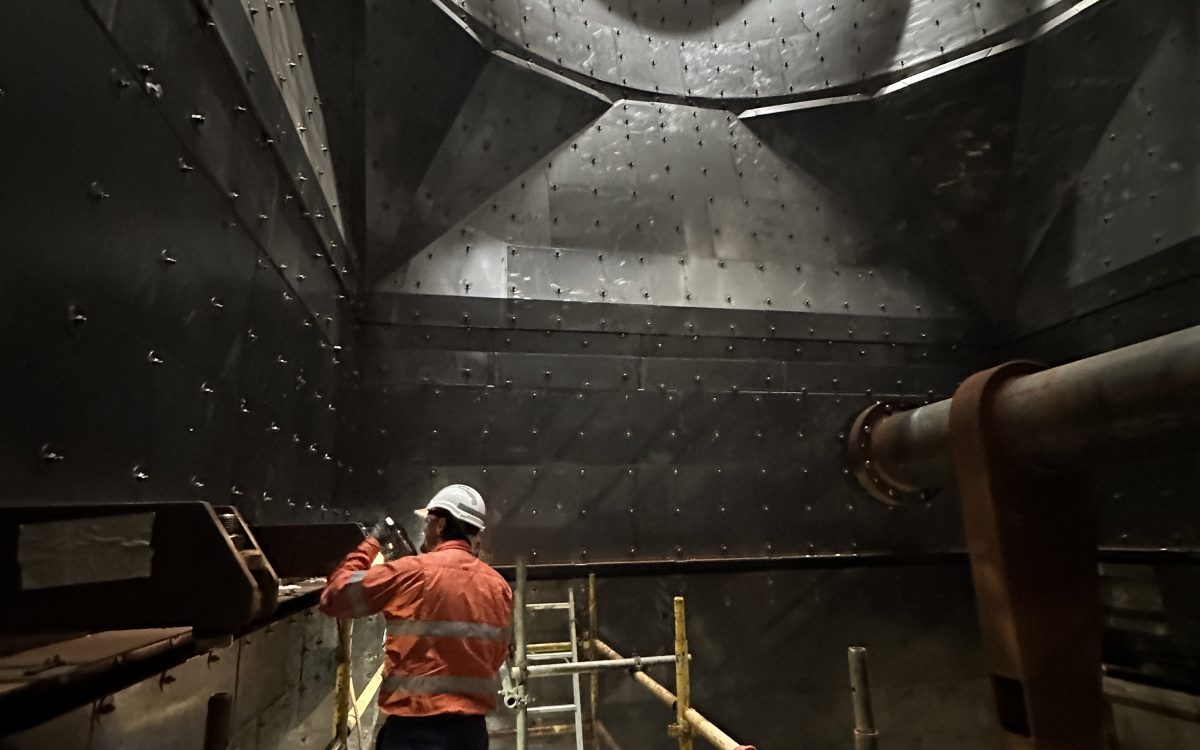
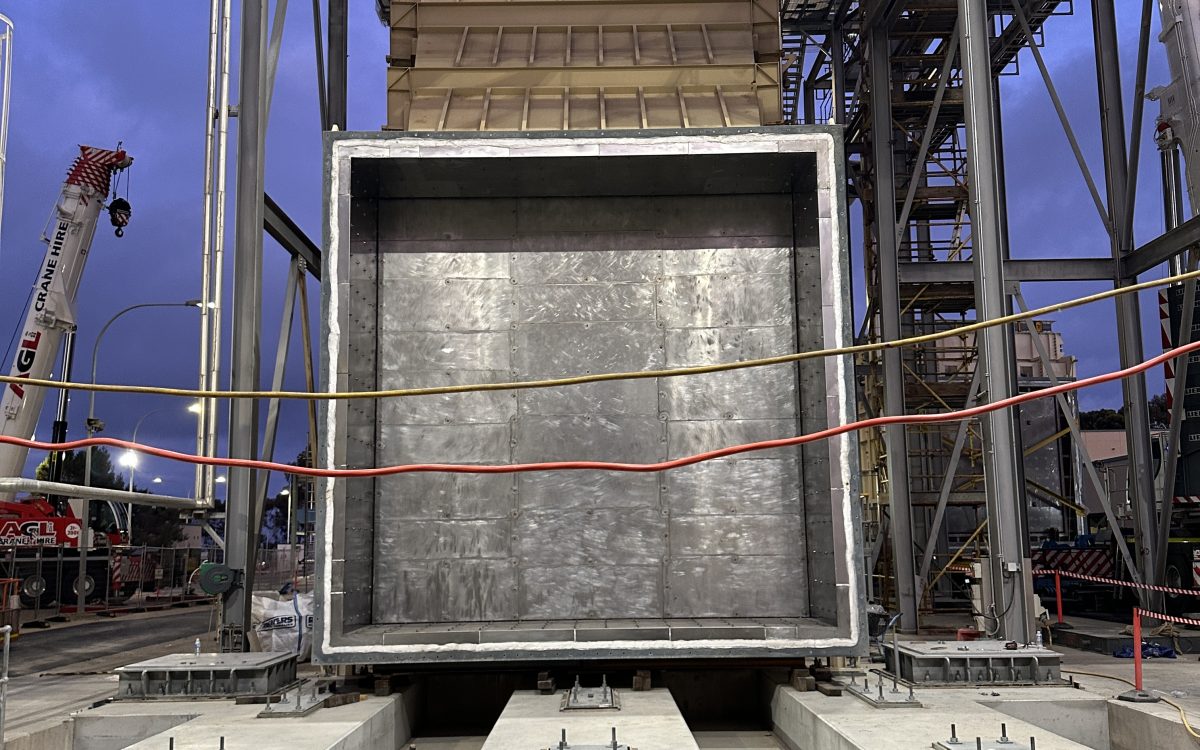
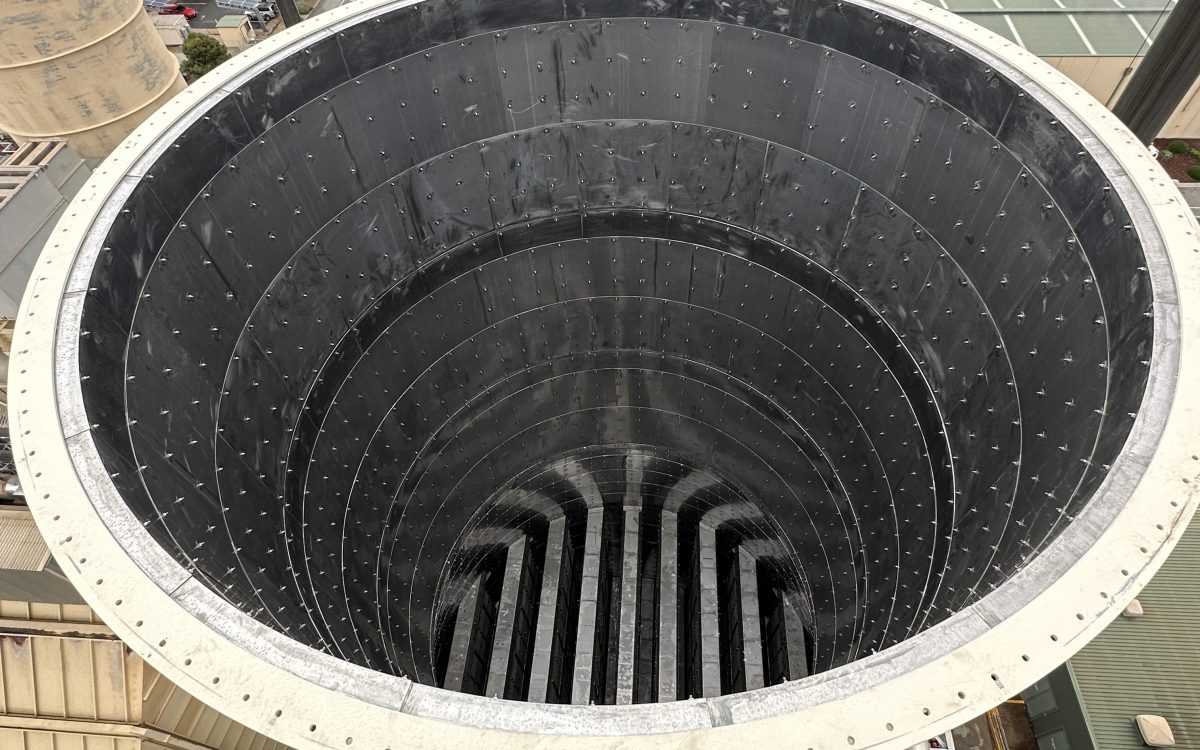
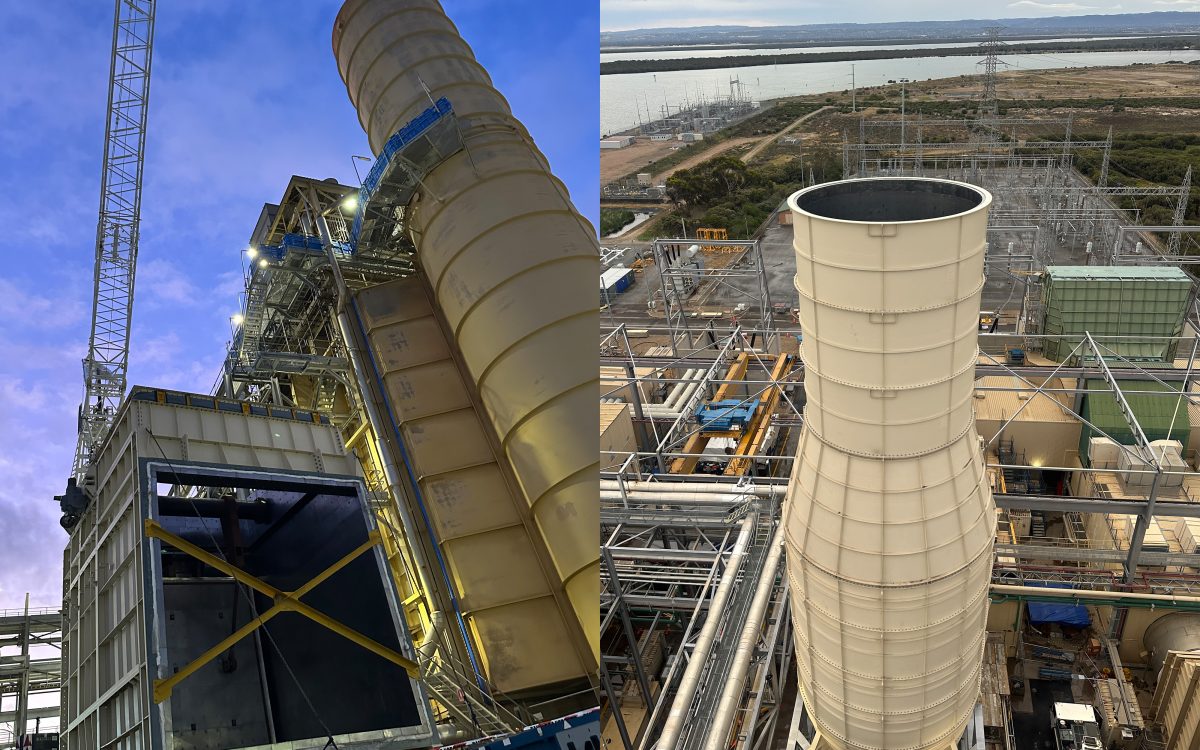
GPA provided multidisciplinary Owner’s Engineer services throughout the design, manufacture, construction, and commissioning phases of the project. The scope included oversight of the design and installation of a diverter damper and a 40 metre‑high bypass stack between the gas turbine exhaust and Heat Recovery Steam Generator (HRSG) inlet.
Key activities undertaken by GPA included:
- Factory Acceptance Testing (FAT) support, including witnessing inspections in Vietnam
- Review of construction documentation, engineering drawings, and technical submissions
- Inspection and auditing of fabrication and site works
- Facilitation of Construction Hazard Studies and Control Hazards and Operability (CHAZOP) Studies
- Construction risk and planning support, particularly coordination with concurrent overhaul activities
- Technical Query resolution and contractor interface management
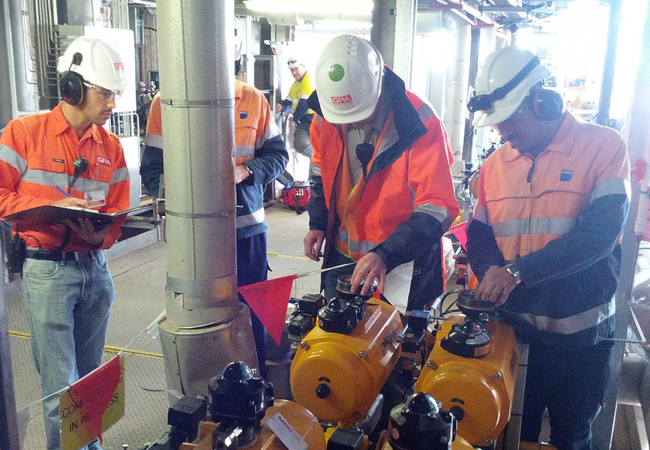
- Witnessing of tests and verification of construction and installation activities during both day and night shifts
- Commissioning support through attendance, witnessing, and validation of cold and hot commissioning activities
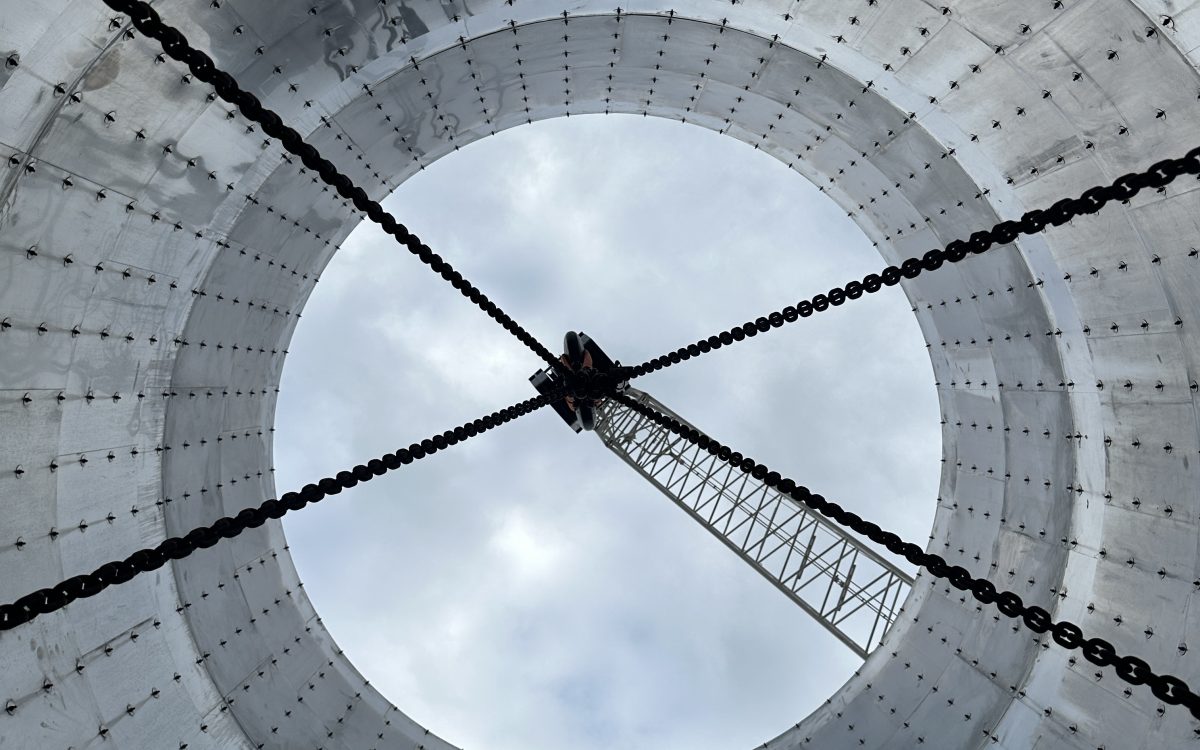
Construction scope involved lifting and installing large, prefabricated sections, with some weighing up to 30 tonnes and requiring a 700‑tonne crane, one of only a few of its kind in Australia.
GPA successfully protected ENGIE’s quality, cost, and safety interests throughout the project and ensured the EPC Contractor remained accountable at every stage. Highlights of GPA’s performance included the successful completion of the FAT in Vietnam, on‑schedule installation of the bypass stack across civil, structural, mechanical, and electrical disciplines, and effective management of construction and commissioning risks.
Through proactive inspections, rigorous safety and operability studies, and hands‑on site support, GPA helped deliver a critical upgrade that enhances the flexibility, reliability, and long‑term value of the Pelican Point Power Station, enabling it to respond effectively to evolving energy market conditions and the changing demands of electricity generation.
ENGIE engaged GPA to act as Owner’s Engineer for the Bypass Exhaust System Project at the Pelican Point Power Station
- SERVICES INVOLVED
Video used with permission from Engie