Hydrogen Pipeline Systems Code of Practice (CoP)
Establishment of clear guidelines for the design, construction, operation, and maintenance of hydrogen pipelines is vital for Australian industry to ensure safety, reliability, and efficiency as we transition pipeline infrastructure and new investment for future fuels.
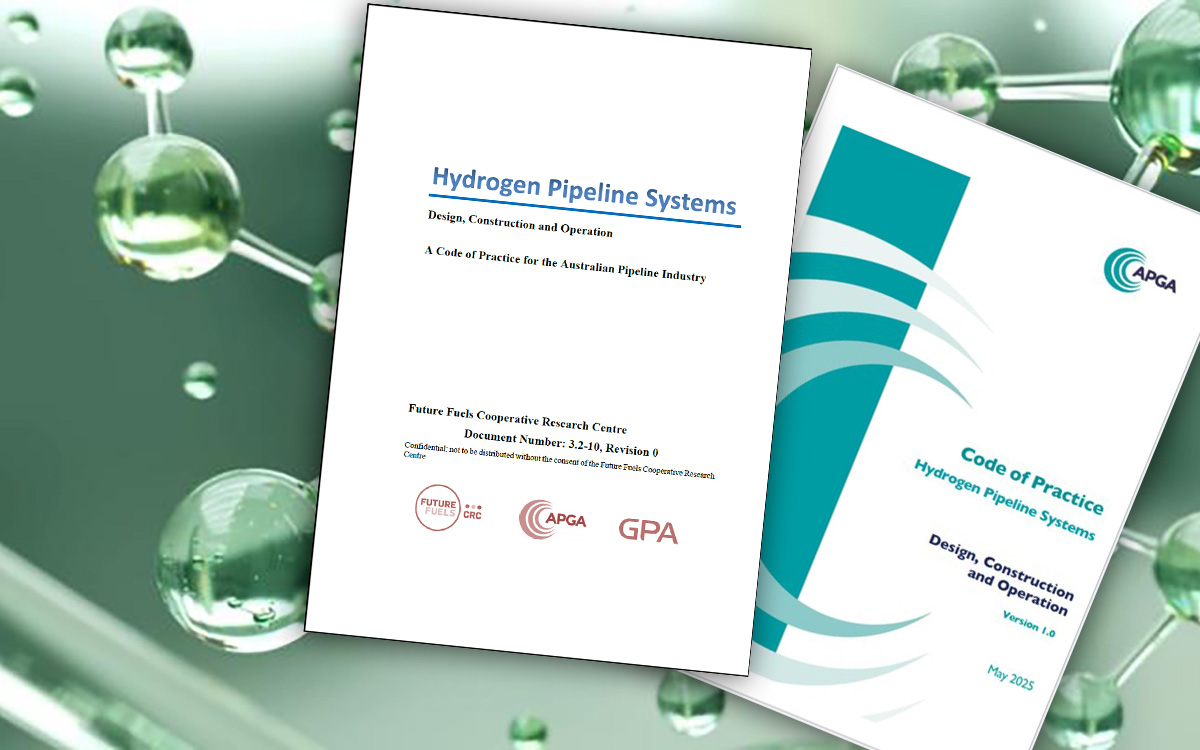
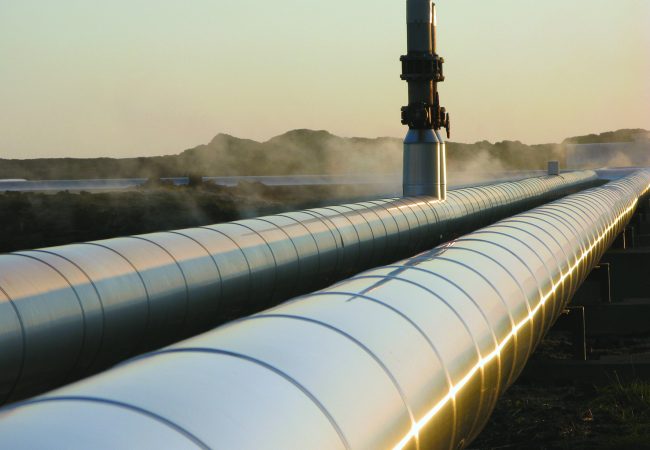
GPA were the proponent and lead researcher that delivered the Hydrogen Pipeline Systems Code of Practice (CoP) contracted under the Future Fuels Cooperative Research Centre (FFCRC) Research Program RP3 Network Lifecycle Management. The project addressed the industry need for guidance on the safe design, construction, and operation of hydrogen transmission pipelines, including pure hydrogen and hydrogen–methane blends.
The GPA research team were supported by industry peers across multiple organisations from other design consultancies, pipeline operators, in-line inspection specialists and state regulators that comprised the wider team to deliver this nation leading project. The document has been well regarded internationally, with GPA’s pipeline and compression industry manager, Josh Wickham and key author, Nick Kastelein presenting on the code of practice to international research partners, EPRG and PRCI at Emerging Fuels Symposiums in the US and Greece in 2023 and 2024.
The CoP provides a practical framework that ensures safety, reliability, and efficiency in hydrogen service, aligned with the framework of the AS/NZS 2885 series and building on early work under other international standards such as ASME B31.12. The CoP is intended as a “live” document, evolving with ongoing research and industry experience, and supporting future adoption into formal Australian standards.
Since publication under the FFCRC, GPA continued the role as lead author through a second revision under APGA with technical content updates around material testing and fatigue analysis to align with most recent international recommendations. The code of practice is now available to the wider APGA membership via the APGA website.
The development of the CoP showcases GPA’s ability to combine research, industry collaboration, and technical expertise into a practical framework for future energy infrastructure.
Scope of Work included:
- Leadership of the research team and consultation with operators, regulators, and specialists to ensure best practice and alignment across industry
- Review of Australian and international standards to identify hydrogen-specific gaps
- Collaboration with universities for advanced research and integration of knowledge of hydrogen behaviour in high strength carbon steel line pipe, and other materials including equipment, piping elastomers.
- Technical analysis of hydrogen challenges including embrittlement, material compatibility, failure modes, and assessment of design methods.
- Development of comprehensive guidance for design, construction, testing, operation and risk assessment for a pipeline transporting or storing hydrogen and hydrogen–methane blends
- Dissemination of the research at international conferences and local workshops
Through this initiative, GPA demonstrated its capability to lead innovation, apply advanced technical tools, and align research with a code or practice framework to guide the industry. The Hydrogen Pipeline Code of Practice reflects GPA’s strength in delivering safe, reliable, and future-ready engineering solutions for hydrogen infrastructure.
GPA developed Australian industry guidance for the safe design, construction, and operation of hydrogen transmission pipelines.
- SERVICES INVOLVED